







 Journey inspiration
10 días de Ruaha y el Lejano Oeste
Explora un safari de 10 días a través de Ruaha y Tanzania Occidental con Inspire Tanzania Safaris.
- 10 días
- 3 stays
Katavi & Ruaha
de USD 4,999 Compartir por persona
Por qué se destaca
La Ruta
El camino
You are met at Kilimanjaro International Airport and transferred to your lodge in Arusha. Twenty days is a long journey and it starts gently: check in, unpack, and let the flying settle. Over dinner your safari consultant walks the whole route with you where the herds are sitting, what the Katuma is doing, what the chimpanzee group has been up to in Mahale, and how the western flights are running. The western sector of this journey depends on fixed weekly aviation schedules, and by the end of the evening you will understand exactly how the days fit together.
Road • roughly four hours
On foot
A short walk on the forest edge with your guide in the late afternoon
Depart after breakfast for the Ngorongoro Conservation Area roughly four hours. The road climbs out of the rift floor past Mto wa Mbu and up the escarpment, and the country changes with the altitude: acacia to montane forest, dust to moisture, heat to cold. You cross into the Conservation Area, pass the crater rim viewpoint and continue north into the higher country around Olmoti, away from the concentration of lodges on the southern rim. Arrive in the early afternoon. This is the highest ground in the Conservation Area, and the view runs across open grassland and scattered Maasai bomas to the Gol Mountains and the south eastern Serengeti plains. A short walk on the forest edge with your guide in the late afternoon gets the altitude into your legs and starts you reading the country cattle trails, buffalo sign, and the pastoral land use that has shaped this landscape for centuries. Dinner beside the fire. The highlands are genuinely cold after dark.
El camino
On foot
descend on foot with an armed Conservation Area ranger
Drive to the rim of the Empakaai Crater and descend on foot with an armed Conservation Area ranger. The path drops around three hundred metres through montane forest and opens onto the shore of the soda lake that fills half the caldera. Lesser flamingo work the shallows in numbers that shift with the season, buffalo graze the margin, and on a clear morning the cone of Ol Doinyo Lengai stands to the north east. The climb out is the honest part of the day. The afternoon is left open: rest, walk further into the highlands, or visit a neighbouring Maasai homestead in the late afternoon when the cattle are brought back to the boma the busiest and most genuine hour of a pastoral day, and a far better window into the culture than any staged performance. Back to camp as the temperature falls. Dinner, the fire, and the quiet of high country.
El camino
drive around the rim to the descent road
An early breakfast and the drive around the rim to the descent road. The crater is a 260 square kilometre caldera with walls six hundred metres high, and the descent is an experience in itself the floor opening below you, mist burning off the Lerai forest, the scale of the place resolving as you drop into it. Arriving early matters: the first hours belong to the animals rather than to the vehicles. The whole day is spent below the rim, with a picnic lunch on the floor. Old heavy tusked elephant bulls work the Lerai fever tree forest. Buffalo gather in the hundreds. Lake Magadi draws flamingo and a long list of waterbirds. Ngorongoro remains one of the few places on the continent where black rhino are seen with any regularity, and your guide will know which part of the floor the resident animals have been favouring. Lion here are numerous and have never known life beyond the walls. Late afternoon ascent and the drive back through the highland forest. The crater rewards a full day in a way it cannot reward a morning.
El camino
passes Olduvai Gorge
Leave the highlands and drop west through the Conservation Area. The route passes Olduvai Gorge, where the Leakeys’ excavations rewrote the early human record, and there is time to stop at the site and its museum. Beyond Olduvai the country flattens into the short grass plains volcanic soil, no trees, enormous sky and you enter Serengeti National Park across ground that between December and March carries the calving herds. Into camp by mid afternoon, then out again. The southern and south central Serengeti is defined by its kopjes granite outcrops rising from grassland, each an island with its own hyrax colonies, klipspringer, resting lions and euphorbia. Your guide reads the ground rather than driving a circuit; the first afternoon is about establishing what is where. Four nights here, which means nothing gets packed in the morning.
A full day out with a picnic lunch. The morning takes in the Maasai rock paintings sheltered beneath an overhang at Moru red and white ochre shields and figures, still legible and the Gong Rock nearby, a slab of granite that rings when struck and was used as a signalling instrument for generations. Almost no Serengeti itineraries stop here. Moru holds a small, closely protected black rhino population, one of the last in the Serengeti, and the sector is patrolled accordingly. Beyond the rhino this is excellent lion and leopard habitat: the kopjes give the cats elevation, shade and cover, and they use all three. The Moru marshes hold hippo, buffalo and a heavy concentration of birdlife. Optional: Hot Air Balloon Safari A pre dawn ascent over the southern Serengeti plains, drifting low over the grassland as the light comes up, followed by a champagne bush breakfast on landing. USD 599 per person. Back at camp by sunset. Dinner under a sky with nothing between you and it.
North east towards the Seronera River valley for the morning. Seronera is the Serengeti’s year round wildlife corridor permanent water in a landscape that otherwise dries out completely and predator density here is as high as anywhere in Africa. Lions are found in full prides rather than as lone individuals. Leopards favour the sausage trees and figs along the watercourse. Work back south west through the open grassland and kopje country in the afternoon, away from the Seronera traffic. Cheetah use this open ground; so do the smaller predators that most itineraries never slow down for serval, bat eared fox, black backed jackal. Back to camp. Dinner and the sounds of the plains.
A day left deliberately open. By now your guide knows what interests you and what the resident animals have been doing, and the plan is made over breakfast rather than in advance. A pride followed across three days, a leopard moving along a particular drainage line, a cheetah with cubs on the open ground you go back to whatever has become interesting. Return to camp for lunch and the long, hot, quiet middle of a Serengeti day. This is the part that gets removed from shorter itineraries, and it should not be. Out again for the best light of the day, and sundowners on a kopje with the plains running out in every direction.
El camino
morning game drive
Flight • under an hour
scheduled light aircraft flight
A morning game drive to Seronera Airstrip and a scheduled light aircraft flight north to Kogatende, in the far northern Serengeti. The flight takes under an hour and the landscape below it tells the whole story of the ecosystem: open plains giving way to woodland, then to the rolling hill country and river systems of the north. Your guide meets you on the airstrip and the game drive begins from there. The northern Serengeti is a different park. Hills, riverine forest, long grass, and a permanent river running through the middle of it. Between roughly July and October the migration is here and the Mara River crossings take place thousands of wildebeest massing on a bank, the hesitation, the first animal committing, and the chaos that follows, with crocodiles holding position in the deeper channels. Outside that window the north is quiet, green and full of resident game, with a fraction of the vehicles. Into camp above the river. Three nights here.
An early start for the river. The cool hours before midday are when herds build on the banks and crossings are most likely, and your guide works the radio network to track which points are active and position accordingly. In season this is the single most dramatic wildlife event on the continent; out of season the same country holds elephant, buffalo, and the northern lion prides. Back to camp for lunch and a rest in the shade. The pace of this journey is deliberate; there is another twelve days to come. The afternoon covers the wider northern landscape the Lamai wedge, the Wogakuria kopjes, the long grass country where leopard do well and the hills that give the north its shape. Late light here is exceptional. Optional: Hot Air Balloon Safari A pre dawn ascent over the northern Serengeti, floating above the river country and the herds, followed by a champagne bush breakfast on landing. USD 599 per person.
Another full day, structured as the conditions suggest. If the herds are on the river, you go back to the river. If they are not, the north offers a genuinely different Serengeti dense resident game, excellent birding along the watercourses, and country that most visitors on a standard circuit never reach at all. A picnic lunch in the field and a slow afternoon working back through the hills. This is the last full Serengeti day of the journey, and it is worth spending it exactly as you want to. Dinner in camp. Tomorrow the journey turns west, and everything changes.
El camino
final morning game drive
vuelo
scheduled light aircraft flight
A final morning game drive on the way to Kogatende Airstrip, then a scheduled light aircraft flight back to Arusha. This is the one genuine transition night of the journey: the western circuit is served by fixed weekly schedules and Arusha is where those connections originate. Arrive in Arusha in the early afternoon. A hot bath, a laundry service and a proper rest all three matter before the western leg, where camps are small and remote and luggage limits on light aircraft are strict. Dinner in Arusha and an early night. The flight west leaves in the morning.
vuelo
scheduled light aircraft, routing via an intermediate airstrip depending on the day’s published schedule
El camino
driven to camp through miombo and open floodplain
Fly by scheduled light aircraft from Arusha to Katavi, routing via an intermediate airstrip depending on the day’s published schedule. It is a long flight by Tanzanian standards and the country beneath it empties out steadily farmland, then miombo woodland, then almost nothing at all. Katavi is the third largest national park in Tanzania and receives a tiny fraction of the visitors that the northern parks do. Met on the airstrip and driven to camp through miombo and open floodplain. The afternoon drive follows the Katuma River, which is the whole story of this park: in the dry season it shrinks to a series of muddy pools, and everything comes to it. Hippo pack into the remaining water in densities that have to be seen to be believed. Crocodiles dig into the banks. Buffalo move onto the floodplain in herds of many hundreds. Dinner in camp. Katavi at night is loud hippo, lion, and the general business of a place with very few people in it.
On foot
Out at first light with an armed ranger and your guide, on foot across the edge of the Katisunga floodplain
Katavi permits walking, and it is one of the best places in Tanzania to do it. Out at first light with an armed ranger and your guide, on foot across the edge of the Katisunga floodplain. Walking changes the register completely: tracks, dung, wind direction and alarm calls all start to matter, and the buffalo herds and elephant that seem manageable from a vehicle become something else entirely at ground level. A game drive across the Katisunga plain in the afternoon. Katavi’s lion prides are large and the park’s dry season concentration makes for hard, visible predator behaviour. Roan and sable antelope occur in the miombo on the park’s edges. There are typically no other vehicles in sight for the entire afternoon. Sundowners on the floodplain edge, then back to camp under an enormous sky.
A full day out with a picnic. Katavi rewards distance: the Chada plain, the Ikuu bridge pools where the hippo and crocodile concentrations are at their most extreme, and the palm fringed edges where the floodplain meets the woodland. In the dry months the river bed becomes a corridor of continuous activity. The afternoon can be another walk, another drive, or an hour in a chair watching the plain from camp which in Katavi is a legitimate activity, because the wildlife comes past. Buffalo, elephant and hippo move through camp regularly. Last night in Katavi. Tomorrow the journey reaches the lake.
vuelo
short light aircraft flight west
Boat • an hour or so
along the shore of Lake Tanganyika
A short light aircraft flight west from Katavi to Mahale Airstrip. The Katavi to Mahale sector operates on fixed weekly days; where your dates require it, the transfer is arranged by private charter and confirmed at the time of booking. From the airstrip, the final approach is by boat along the shore of Lake Tanganyika an hour or so of forested mountains dropping straight into water so clear you can see the bottom well offshore. There are no roads in Mahale at all. Arrive at camp on the beach in the early afternoon. The afternoon is free and should stay that way swim, sleep, or take a kayak out along the shore. Lake Tanganyika is the second deepest lake in the world and holds several hundred endemic cichlid species; snorkelling directly off the beach is genuinely worth doing. Dinner on the sand. Four nights here, with no vehicles for any of them.
On foot
out with a park guide and trackers to find the M group
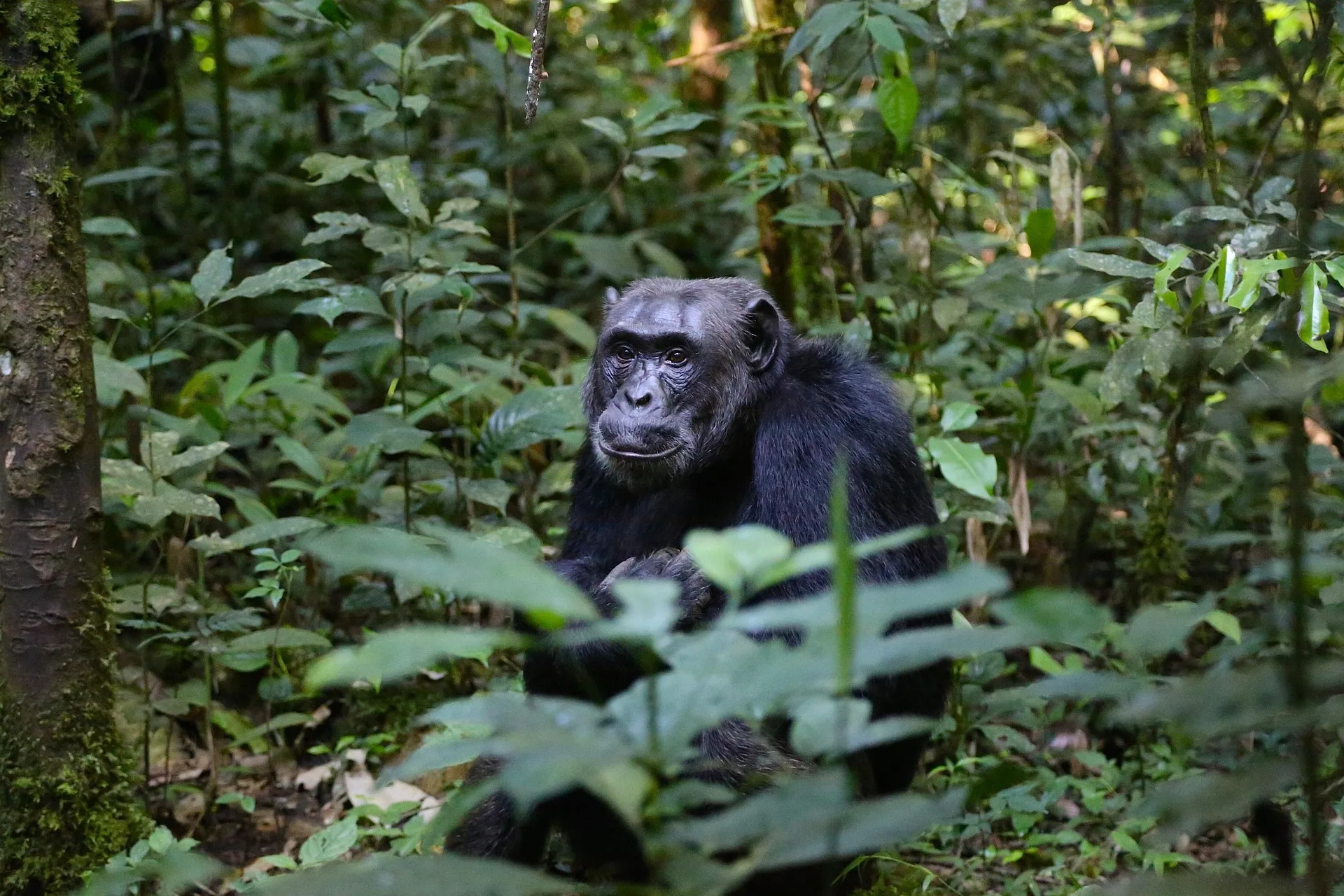
After breakfast, out with a park guide and trackers to find the M group a wild chimpanzee community habituated over decades of continuous research beginning with Japanese primatologists in the 1960s. The trackers go ahead at first light. When the group is located, you climb. The forest is steep, hot and dense, and the walk in can take anything from twenty minutes to several hours; this is the honest reality of it and it is part of what makes the encounter matter. Time with the chimpanzees is limited to one hour by park regulation, and masks are worn to protect the group from human respiratory infection. What happens in that hour is not predictable. The group may be feeding high in the canopy, or moving along the ground past you at a distance of a few metres, grooming, arguing, and behaving in ways that are uncomfortably familiar. Back to camp and into the lake. The afternoon is entirely free, which after the climb is not a luxury.
On foot
A second chimpanzee track
Boat
Take a dhow out along the shore
A second chimpanzee track. Two attempts are far better than one: the group moves, the forest is large, and a second morning both improves the odds and shows you a different part of the community’s range. Chimpanzee tracking permits and park fees for both mornings are included. The afternoon belongs to the lake. Take a dhow out along the shore, snorkel the rocky sections for cichlids, fish for the lake’s yellow belly and Nile perch, or walk the beach. Mahale has no roads, no vehicles and no other camps in sight, and the quiet is total. Sunset over the water, with the Congo shore somewhere out beyond the horizon.
The last full day of a twenty day journey, and it is yours. Track again if you want to. Walk one of the forest trails for the birding and the red colobus, blue and red tailed monkeys. Climb towards the Kungwe ridge for the view down the lake. Or do nothing. Kayaking, swimming, a boat out for the sunset. Mahale is the right place for a journey like this to end, because it removes every remaining reason to hurry. A final dinner on the beach. Nineteen nights, six bases, and a route from the crater rim to the Congo shore.
Boat
Boat transfer along the shore
vuelo
scheduled light aircraft flight east, routing via Katavi or an intermediate airstrip according to the day’s schedule
Boat transfer along the shore to Mahale Airstrip and a scheduled light aircraft flight east to Arusha, routing via Katavi or an intermediate airstrip according to the day’s schedule, for your onward international connection. Timings are confirmed before departure. Twenty days across the width of Tanzania: the Empakaai forest at dawn, the crater floor at midday, the Serengeti kopjes, the Mara River, the Katuma in the dry season, and a chimpanzee community in the mountains above Lake Tanganyika.
Antes de que el libro
Los hoteles, albergues y campamentos mencionados en este paquete están sujetos a disponibilidad cuando se confirme su reserva.Si una propiedad enumerada no está disponible, le sugeriremos una alternativa comparable para su aprobación.
Inicio Planificación
Asegure sus fechas o comience a personalizar este itinerario para que se adapte perfectamente a sus preferencias.
No se requiere compromiso.
Sigue explorando
Journey inspiration
Explora un safari de 10 días a través de Ruaha y Tanzania Occidental con Inspire Tanzania Safaris.
Katavi & Ruaha
de USD 4,999 Compartir por persona
 Into the wild
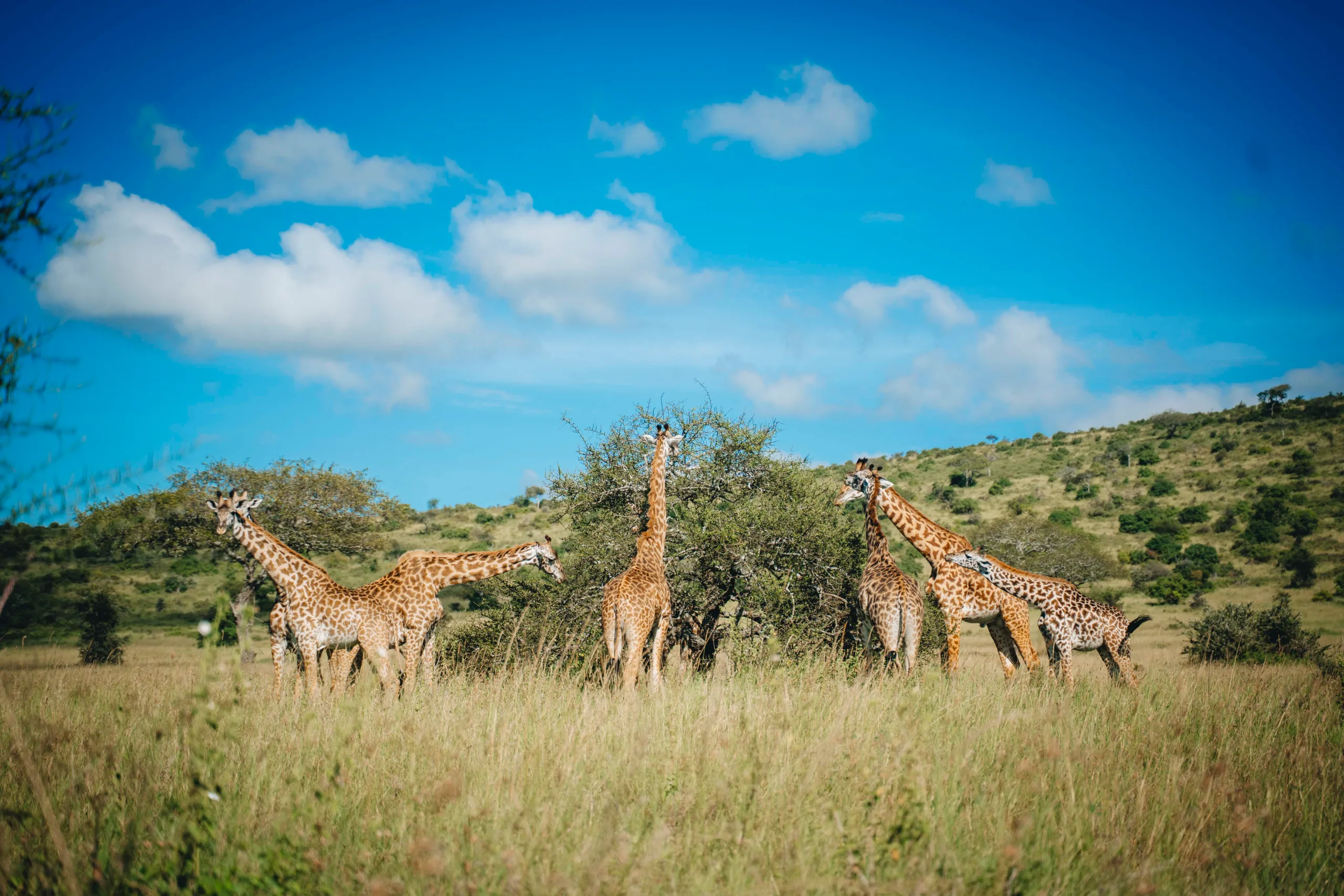
This is the northern circuit rewritten. The same three great landscapes that every visitor to Tanzania hears about the Ngorongoro highlands, the plains, the...
Ngorongoro Crater & Serengeti
de USD 6,450 Compartir por persona
 Safari & beach
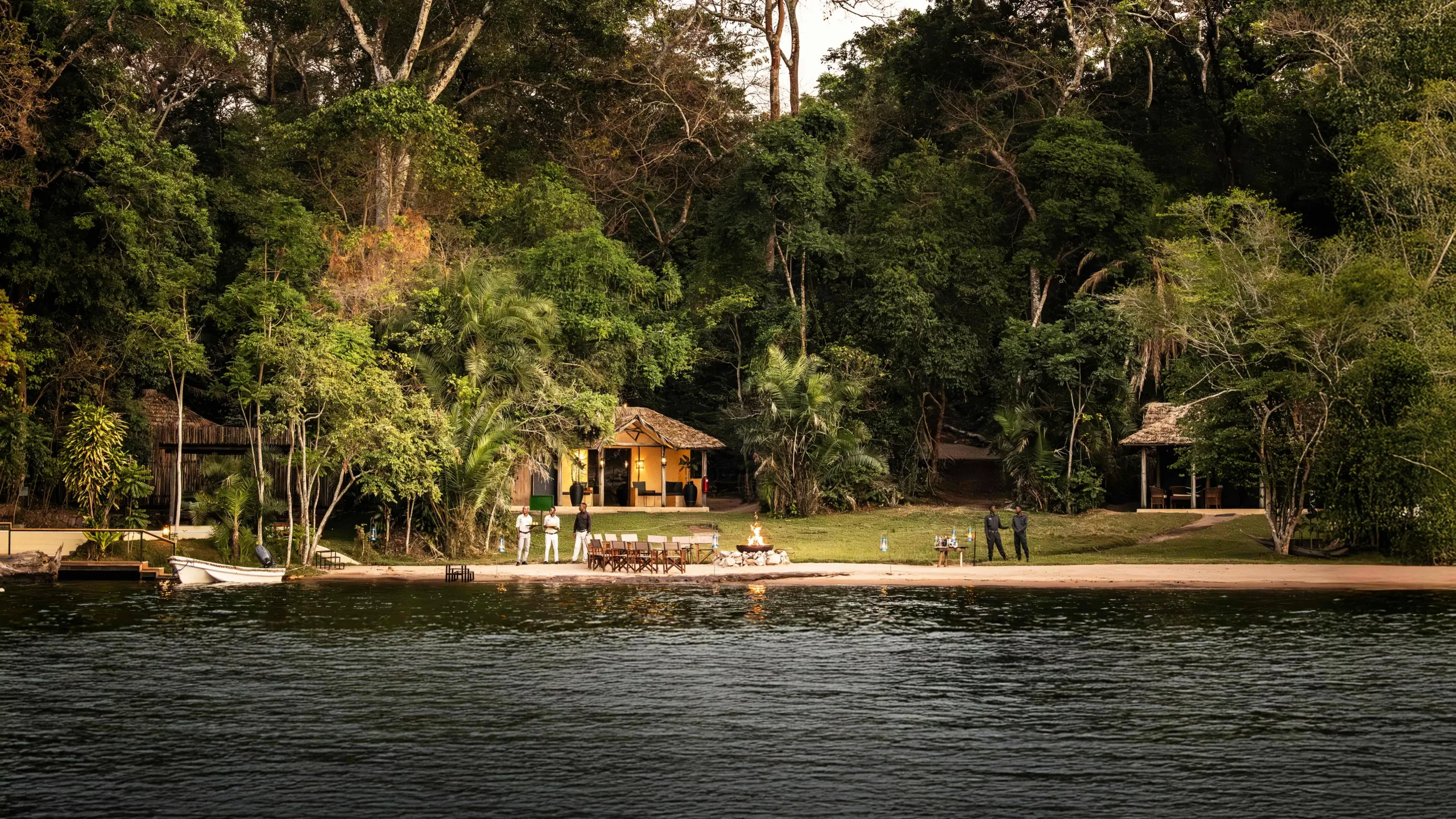
This is a journey with no game drives in it. Fifteen days across western Tanzania, following chimpanzees through three completely different forests on the shores...
Gombe Stream, Mahale Mountains, Serengeti & Zanzibar
de USD 8,600 Compartir por persona
 Safari & beach
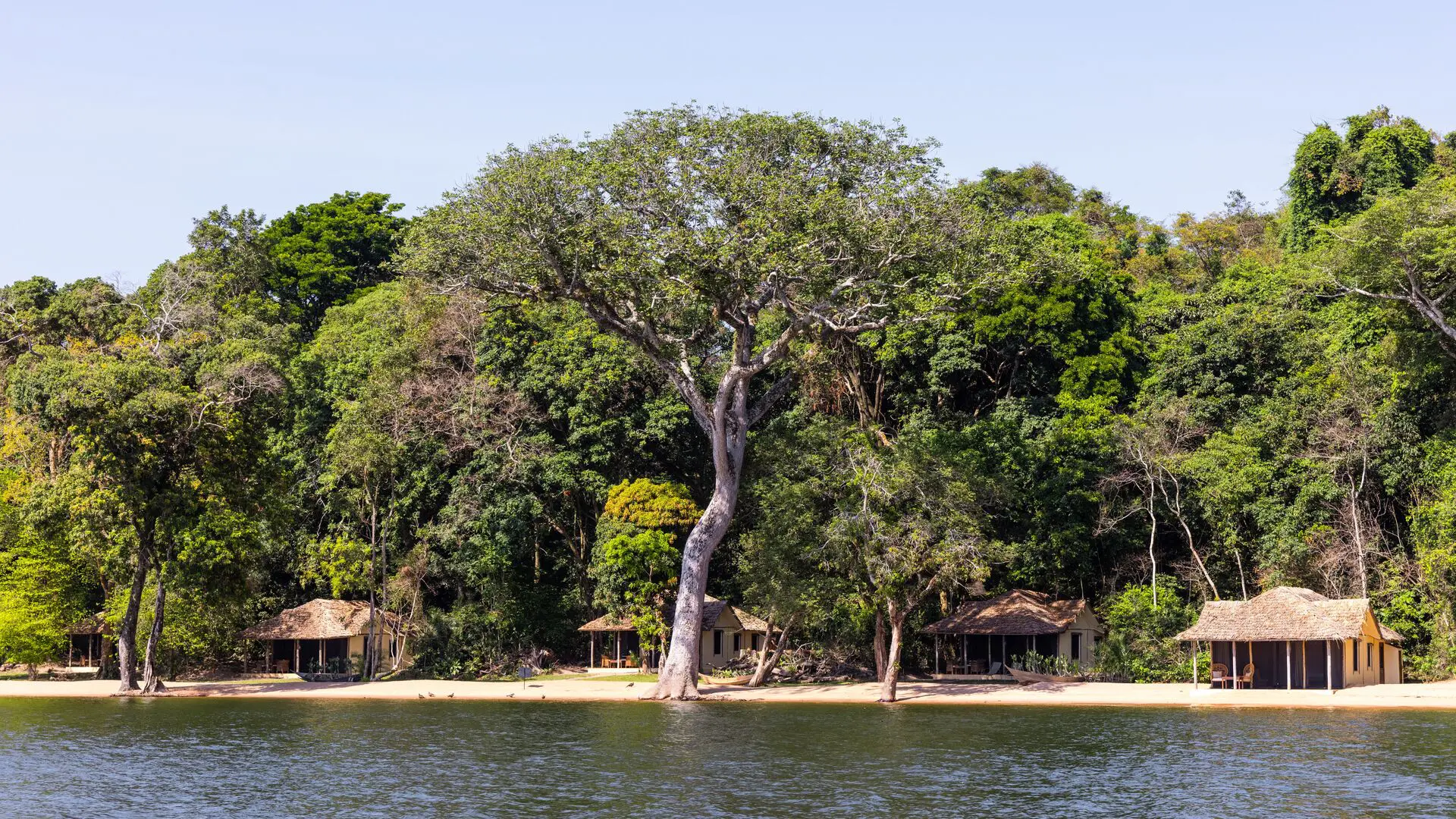
Almost nobody links these two places, which is the reason to do it. Rubondo Island sits in the south western corner of Lake Victoria, an hour’s flight from the...
Serengeti & Zanzibar
de USD 9,300 Compartir por persona
20 Days

Normalmente responde de inmediato
Chat cerrado debido a la inactividad del usuario
Tu chat ha terminado
El Feedback
Por favor, valora tu experiencia.
Para iniciar un nuevo chat,